
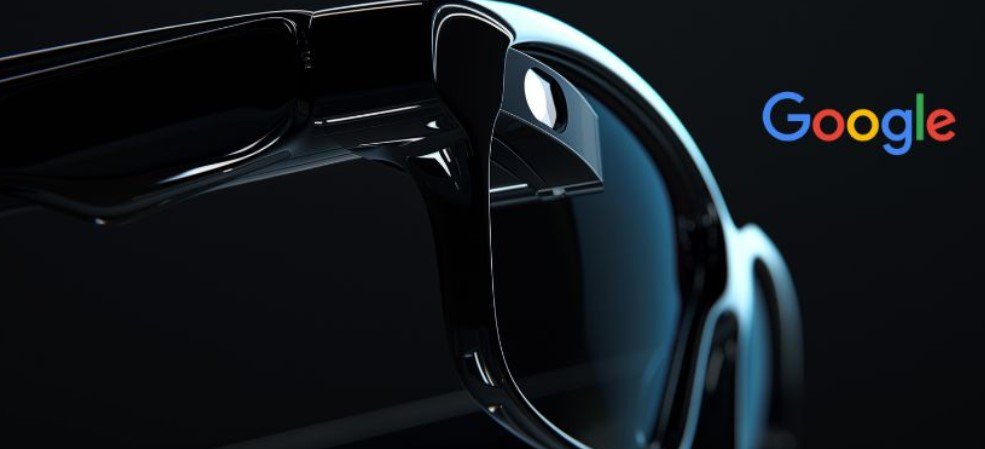
At Google I/O, Google officially unveiled the next phase of the AI wearables race, announcing its new Android XR “intelligent eyewear” platform. The new smart glasses, developed as part of a large hardware partnership with Samsung and powered by Qualcomm chips, are set for retail launch later this fall. Instead of repeating the mistakes of the bulky, display-happy Google Glass days, the company is opting for a more streamlined, audio-first approach. Doing away with internal lens displays makes the hardware lighter and more like regular eyewear, so Google can focus on all-day comfort and mainstream consumer adoption.
Google and Samsung have also teamed up with big eyewear brands Warby Parker and Gentle Monster to make sure the tech fits in with everyday fashion. The resulting collections also feature integrated cameras, microphones and open-ear speakers built directly into the frames, acting as a discreet hands-free gateway into Google’s Gemini AI ecosystem. The glasses are a companion device for Android and iOS smartphones. Gemini Intelligence is a powerful background agent layer that can handle complex, multi-step tasks.
Rather than bombarding users with images, the glasses create a digital layer that sits on top of the physical world in an ambient manner. You can tap or talk to the frame to activate Gemini, and then the AI will analyze the surroundings in real-time. Features shown included instant visual translation of foreign menus, hands-free navigation that tracks where the user is facing, and reading street signs or placing orders from a mobile device. Google is bringing its virtual assistant to users’ eyes by building Android XR as an open platform for everyday eyewear, intensifying a fierce market rivalry with Meta’s existing smart glasses.