
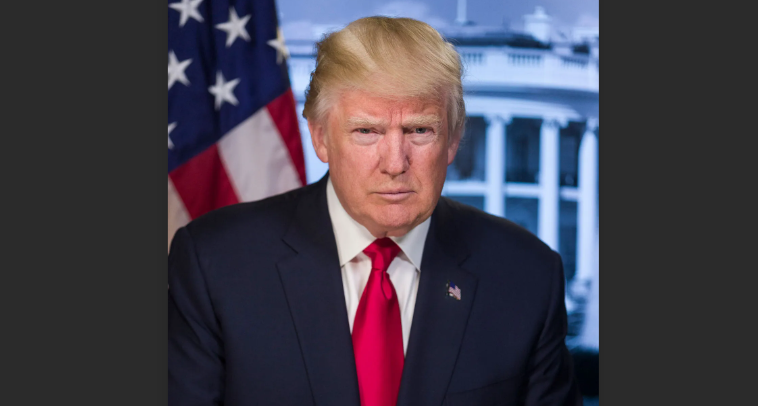
Tensions between Washington and Tehran have escalated to a critical point following President Donald Trump’s rejection of Iran’s latest 14-point peace proposal, which he dismissively characterized as “a piece of garbage.” Sources close to the White House indicate that the President is now more seriously considering the resumption of large-scale combat operations than at any point since the fragile April ceasefire began. Frustrated by what he perceives as a lack of serious concessions regarding Tehran’s nuclear program and the ongoing closure of the Strait of Hormuz, Trump told reporters that the current truce is on “massive life support.” Reports suggest he has met with his top national security advisors—including Vice President JD Vance and Secretary of State Marco Rubio—to review options that include naval escorts through the Persian Gulf and targeted airstrikes on remaining Iranian infrastructure sites.
The diplomatic impasse deepened on Sunday when Iranian state television announced the rejection of a U.S.-led draft agreement, labeling it a demand for total surrender. In response, Iranian officials have warned that any renewed offensive could trigger a shift toward 90% uranium enrichment, a move that would bring Tehran to the threshold of weapons-grade capabilities. While the international community, led by mediators from Pakistan and Qatar, continues to push for a de-escalation, the global economic impact is already being felt as oil prices surge past $100 per barrel. President Trump is expected to discuss the crisis with President Xi Jinping during his visit to China this week, but administration officials suggest that “Project Freedom” and other military contingencies remain ready for immediate activation. As the two nations operate on divergent timelines and thresholds of patience, the risk of a return to active conflict remains high, with the U.S. demanding a definitive end to the blockade and verifiable nuclear transparency.