
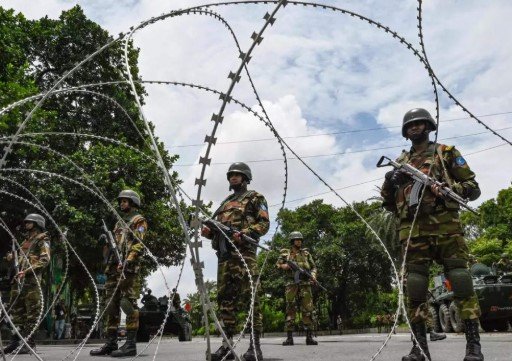
The Meghalaya government, police and Border Security Force (BSF) have stepped up vigilance along the international border with Bangladesh following concerns over attempted infiltration across vulnerable stretches. A high-level meeting was held to review the security situation and assess measures required to strengthen surveillance and ground-level monitoring along the state’s border areas. Deputy Chief Minister Prestone Tynsong said security agencies were detecting attempted crossings “almost every day”, highlighting the need for sustained vigilance along sensitive portions of the border. He directed the police, district administration and BSF to intensify surveillance and strengthen security arrangements, particularly in areas considered vulnerable to unauthorised crossings. Tynsong identified unfenced stretches and difficult terrain in parts of East Khasi Hills and West Jaintia Hills as key challenges for border management. According to the state government, such stretches can be exploited for attempted crossings because of the terrain and gaps in physical fencing. The authorities have therefore been asked to maintain closer monitoring of these areas and coordinate more effectively to respond to suspected infiltration attempts. The meeting also focused on strengthening cooperation among the various agencies responsible for border security and administration. Police and district officials have been directed to work closely with the BSF to improve information sharing and ensure a coordinated response along vulnerable stretches. The measures come amid continued efforts by Meghalaya to enhance security along its international boundary with Bangladesh, where difficult terrain and unfenced sections pose operational challenges. In addition to increased deployment and surveillance by security agencies, the state has activated Village Defence Parties in border villages. These local groups are expected to support authorities by improving monitoring at the community level and reporting suspicious movements or activities in border areas. The administration is also coordinating with traditional heads in villages to strengthen local participation in border management. Traditional community institutions have an important role in Meghalaya’s rural areas, and greater coordination with local leaders is intended to improve communication between residents and security agencies. Authorities are focusing on combining official surveillance with community-level monitoring to strengthen vigilance across remote border areas. The latest measures reflect the state government’s emphasis on preventing unauthorised crossings and improving security along vulnerable portions of the Meghalaya-Bangladesh border. With police, the BSF, district administrations, Village Defence Parties and traditional leaders involved in the effort, the authorities are seeking to establish a more coordinated monitoring system. The government has also stressed the importance of maintaining vigilance in difficult and unfenced terrain, where conventional security arrangements can face operational limitations. The strengthened approach is expected to focus on regular surveillance, faster information sharing and closer coordination among agencies and border communities. These efforts are aimed at improving Meghalaya’s preparedness to detect and respond to attempted crossings while maintaining security along its international boundary.