
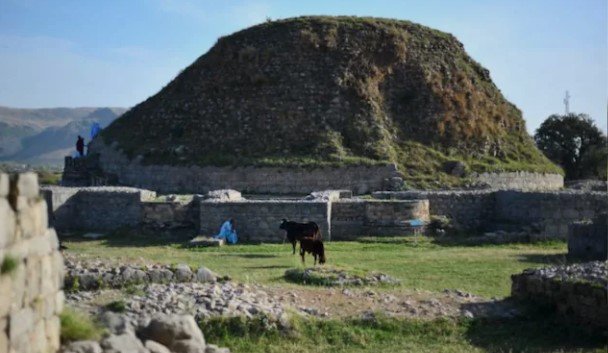
Pakistan has come under scrutiny after UNESCO raised concerns over restoration work carried out at the ancient archaeological complex of Taxila, warning that the World Heritage Site could face placement on the “List of World Heritage in Danger” if the disputed interventions are not reversed. According to reports, UNESCO objected to the use of modern construction materials, including cement, during conservation work at the historic sites of Mohra Moradu and Sirkap, stating that such alterations undermine the authenticity and integrity of the monument. The UN cultural agency has reportedly asked Pakistani authorities to undo the reconstruction work and adhere to internationally accepted heritage conservation standards. While some reports have referred to the possibility of “delisting,” UNESCO’s immediate warning relates to placing the site on the danger list, with the loss of World Heritage status remaining a potential consequence if concerns remain unaddressed. Taxila, located in Pakistan’s Punjab province, is one of South Asia’s most significant archaeological sites, reflecting centuries of cultural and religious history, including Vedic, Buddhist and later civilisations. Pakistani officials have defended the conservation work, arguing that the interventions were intended to protect vulnerable structures from further deterioration. However, UNESCO has stressed that preservation efforts must maintain the site’s historical authenticity and comply with established conservation principles. The development has reignited debate over the protection of cultural heritage and the importance of using appropriate restoration techniques to safeguard globally significant monuments for future generations.