
Meghalaya’s breathtaking landscapes draw thousands of visitors every year, but the beauty of the East Khasi Hills comes with natural risks that demand respect. In response to rising footfall and recent incidents, the state government has issued a comprehensive new safety mandate. Our report looks at how authorities are moving to protect travelers.
The Office of the Deputy Commissioner in Shillong has officially tightened the reins on tourist safety across the East Khasi Hills district. This fresh advisory is a direct response to the increasing number of visitors and the inherent risks of the region’s rugged terrain. The directive moves beyond simple suggestions, outlining a series of mandatory precautions designed to fortify on-ground safety infrastructure.
Central to the new guidelines is the requirement for visible and functional safety arrangements. Every major tourist site must now feature clearly marked entry and exit routes, prominently displayed maps, and a presence of trained personnel. In a move to professionalize local hospitality, the advisory mandates that all tourist guides and site staff undergo training in basic life-saving skills.
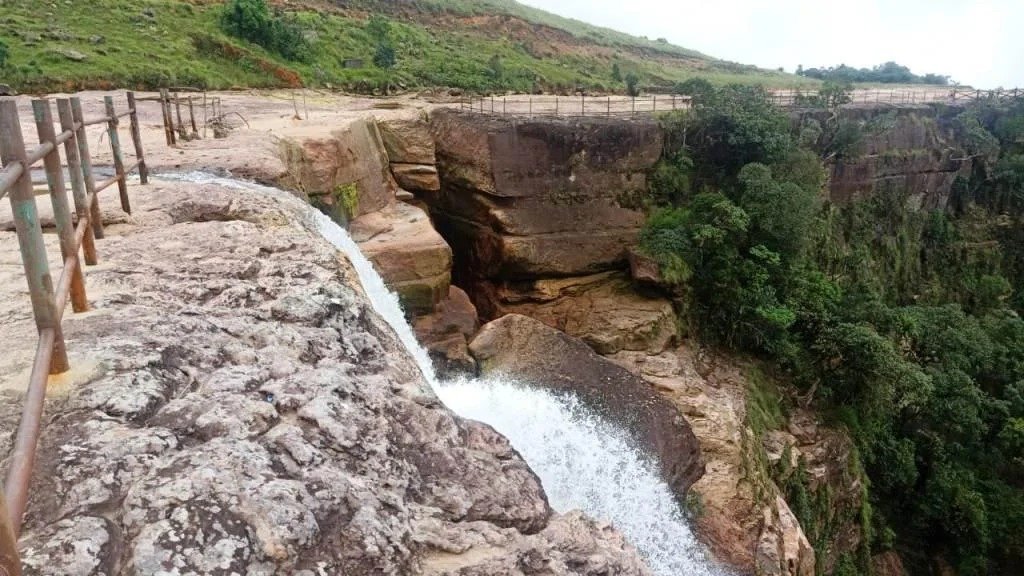
Structural integrity has also been placed under the microscope. Authorities have ordered immediate and regular inspections of railings, bridges, and playground equipment. Officials warned that any neglect in maintaining these structures poses a serious risk, and repairs must be conducted immediately upon the discovery of damage.
Water-based tourism, one of the region’s primary draws, is seeing the strictest intervention. The government has made life jackets compulsory for all boating activities. Furthermore, boats must never be overloaded, and engines must undergo visual inspections before every single use. Only experienced handlers are now permitted to operate these vessels. For sites that permit swimming, the deployment of certified lifeguards is now a non-negotiable requirement.
The advisory also addresses the unpredictability of Meghalaya’s natural environment, particularly near rivers and waterfalls. Sudden changes in water levels and slippery monsoon terrain are identified as major hazards. Tourists are urged to avoid “unsafe areas” such as deep water, swampy ground, and slippery rocks. To assist with planning, visitors are advised to monitor official weather updates from the India Meteorological Department before heading out.
Finally, emergency preparedness is being standardized. Every tourist spot is now required to maintain first-aid boxes, fire extinguishers, and emergency lighting. Crucial contact numbers, specifically 112 and 108, must be displayed for easy public access. As the peak travel season approaches, the administration emphasizes that these measures are essential to ensuring that the “Abode of Clouds” remains a safe destination for all.