
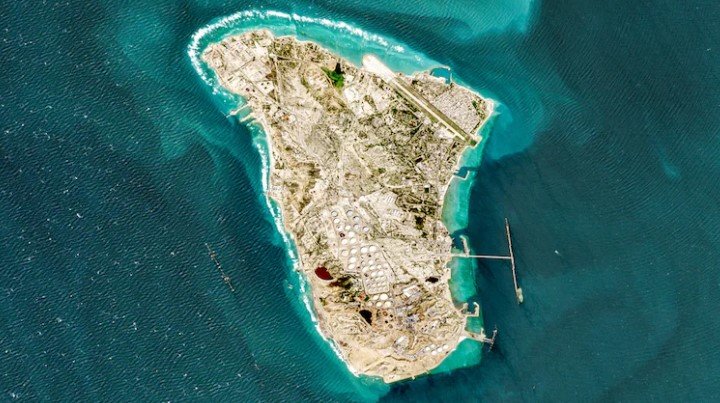
A huge oil slick of around 45 square kilometres has been detected off Kharg Island, Iran’s main crude export terminal, prompting urgent environmental concerns amidst a deepening regional conflict. European Union Copernicus Sentinel satellite images taken between May 6 and May 8 show a huge discharge moving southward into Saudi Arabian waters. Experts say more than 3,000 barrels of crude may have leaked into the Persian Gulf, possibly from a rupture in aging undersea pipelines or the extreme pressure the U.S. naval blockade has put on Iran’s storage infrastructure. The spill at the island, which processes nearly 90 percent of Iran’s oil exports, highlights the deteriorating condition of the country’s energy facilities after years of sanctions and recent military strikes.
The ecological fallout endangers vital fisheries, desalination plants and fragile marine habitats in the shallow waters of the Gulf. Environmental engineers warn that you can’t simply “switch off” oil infrastructure and the “dual blockade” taking place now in the Strait of Hormuz has pushed the system into a dangerous state of volatility. Military tensions could lead to a lack of a coordinated emergency response, and that could turn the situation into a long-term regional catastrophe with nearly 1,500 vessels stranded in the region. The spill is a stark visual reminder of the collateral damage of the month-long stalemate between Washington and Tehran, further complicating the prospects for a diplomatic resolution, while Iranian authorities have remained silent on the incident.