
Northeast India’s border regions are bracing for a potential public health challenge as authorities in Meghalaya and Mizoram heighten surveillance against a spreading measles outbreak in neighboring Bangladesh. With reports indicating over 100 deaths—predominantly among children—and thousands of suspected infections across the border, health officials are moving swiftly to implement robust response mechanisms to prevent any cross-border transmission.
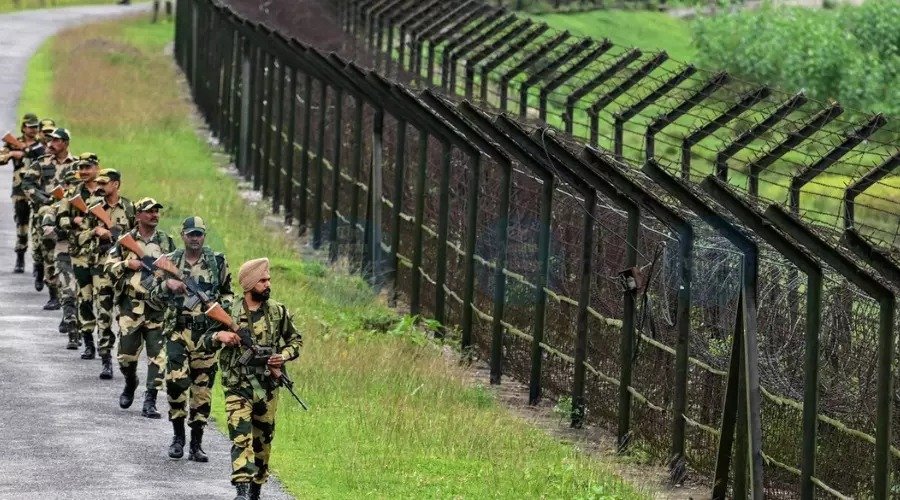
In Meghalaya’s West Jaintia Hills, a high-level meeting held on April 17 at the Amlarem Sub-Divisional Office established a coordinated strategy involving health authorities, district administration, and security forces. The session focused on strengthening early detection systems in vulnerable border pockets. Dr. A. Khonglah, SDM&HO of Amlarem, reassured the public that there is currently no cause for panic, as all suspected cases reported so far have tested negative. However, officials emphasized that timely reporting of symptoms, such as fever and rash, remains critical for containment.
Similarly, Mizoram’s Lawngtlai district is implementing stringent precautionary measures. Deputy Commissioner Donny Lalruatsanga has led review meetings to assess the district’s readiness, acknowledging the high vulnerability posed by cross-border movement. In response, Rapid Response Teams have been activated, and mobile vaccination units are on standby. Officials have underscored that vaccination coverage must exceed 95% for effective community protection, expressing specific concern regarding the current uptake rates for the second dose of the measles-rubella (MR) vaccine.
Health experts, including representatives from the World Health Organization, have highlighted that the highly contagious nature of measles makes it a significant risk in areas with gaps in immunization coverage. They have urged parents to ensure that all children under five are fully immunized under the MR program.
Public awareness campaigns are being intensified across border villages, with local administrations collaborating closely with NGOs, village councils, and community leaders. Despite the current absence of confirmed cases in these Indian districts this year, authorities remain on high alert. By integrating security and health operations, the border states are prioritizing the safety of their populations, ensuring that if a spillover does occur, the response will be immediate and effective.