
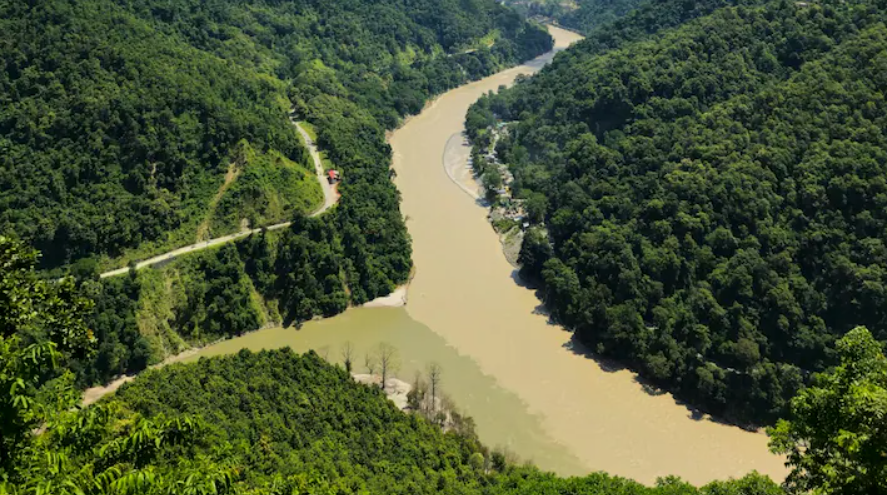
China has officially defended its expanding partnership with Bangladesh regarding the Teesta River project, stating that its bilateral cooperation “does not target any third party” and should remain completely free from external influence. The remarks by the Chinese Foreign Ministry come immediately after reports surfaced that Beijing and Dhaka had reached a fresh cooperative understanding to implement the long-delayed Teesta River Comprehensive Management and Restoration Project. India has consistently flagged serious security and geopolitical concerns regarding China’s involvement in the initiative due to the river’s critical geographical proximity to the highly sensitive Siliguri Corridor, a narrow stretch of land that connects mainland India to its northeastern states.
Brushing aside these regional anxieties, Beijing characterized the joint venture as a vital livelihood and water conservancy project intended purely to help Bangladesh manage its domestic water resources, curb seasonal flooding, and counter devastating riverbank erosion. While New Delhi maintains that transboundary water disputes should be handled strictly through existing, structured bilateral mechanisms between India and Bangladesh, China’s proactive push signals its intention to deepen strategic and economic ties with Dhaka’s new leadership. The escalating diplomatic maneuvering over the Teesta basin highlights a growing regional tug-of-war for strategic influence in South Asia.