
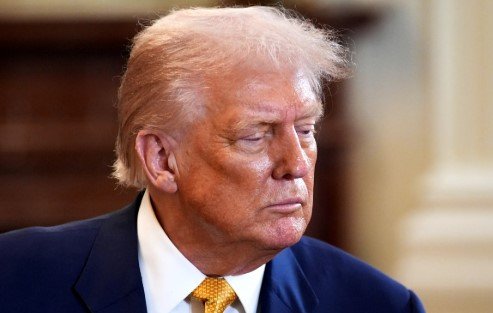
On a landmark day at the U.S. Supreme Court, President Donald Trump experienced a blend of major legal victories and notable setbacks, underscoring the continuing influence of the nation’s highest court on his political and policy agenda. In one of the day’s most significant rulings, the court handed Trump a substantial win by limiting the authority of lower federal courts to issue nationwide injunctions, a decision expected to strengthen executive power and reshape how future administrations implement federal policies. However, the court stopped short of fully endorsing the administration’s controversial efforts related to birthright citizenship, leaving the legal battle unresolved and allowing further proceedings in lower courts. Trump also faced disappointment in other matters, as the justices declined to grant him sweeping relief on every issue before them, highlighting the court’s willingness to draw clear constitutional boundaries despite its conservative majority. The mixed outcomes reflect the complex legal challenges surrounding Trump’s presidency and demonstrate that while the court has been receptive to some arguments advanced by his administration, it has not offered blanket support across the board. Legal experts believe the rulings will have lasting implications for presidential authority, judicial oversight, and future constitutional disputes. As the decisions continue to reverberate through the political landscape, both supporters and critics are expected to interpret the day’s outcomes as significant milestones in the broader debate over executive power, immigration policy, and the role of the federal judiciary. With additional legal battles still pending, the Supreme Court’s latest actions ensure that Trump’s legal and political journey remains far from over.