
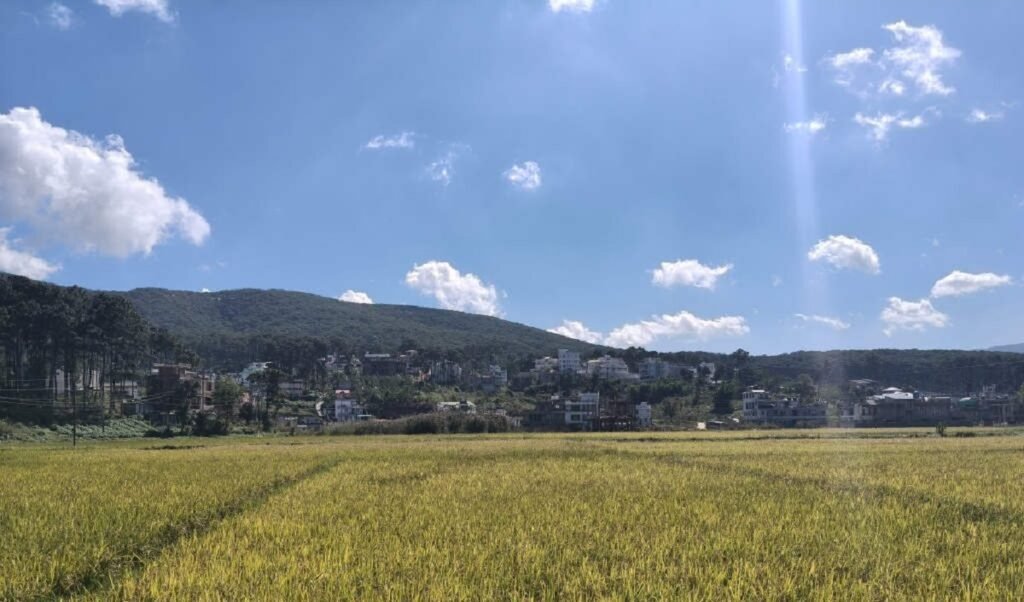
A new study has found that centuries-old Khasi community conservation systems continue to play a major role in protecting forests, water sources and biodiversity in Meghalaya despite increasing pressure from mining, quarrying and commercial agriculture.The research, published in the Journal of Environmental Studies and Sciences, was conducted by North East Society for Agroecology Support researcher Bhogtoram Mawroh. The study examined how Khasi communities continue to manage natural resources through customary laws and traditional governance systems that regulate forests, agriculture and water use.The research focused on five villages in East Khasi Hills district — Ladmawphlang, Nongwah, Umsawwar, Nongtraw and Dewlieh — and documented how traditional institutions still influence environmental protection and daily resource management practices.
According to the study, Khasi communities maintain different categories of forests under customary law. Among them are “Law Adong” or restricted forests, which are preserved mainly for the protection of water sources and biodiversity. Other forest areas are designated for controlled community use, including limited timber extraction and collection of non-timber forest produce.The study found that many villages continue to enforce strict local rules against indiscriminate tree felling, hunting, stream pollution and destructive fishing methods. In some areas, villagers have prohibited washing vehicles near water bodies and banned the use of chemicals for catching fish.Researchers also noted that certain communities have established fish sanctuaries to conserve aquatic life and maintain ecological balance in local water systems.
The paper highlighted that these conservation systems are closely linked to Khasi cultural beliefs and traditional governance institutions such as the Dorbar Shnong and Hima. According to the study, forests are viewed not only as natural resources but also as sacred spaces connected to Khasi identity, culture and community life.The research further stated that indigenous Khasi governance systems have helped maintain ecological balance for generations and continue to remain relevant even as modern developmental pressures increase across Meghalaya.Khasi people are an indigenous Austro-Asiatic community of Meghalaya, and their presence in the northeastern region is believed to date back nearly 4,000 to 5,000 years.