
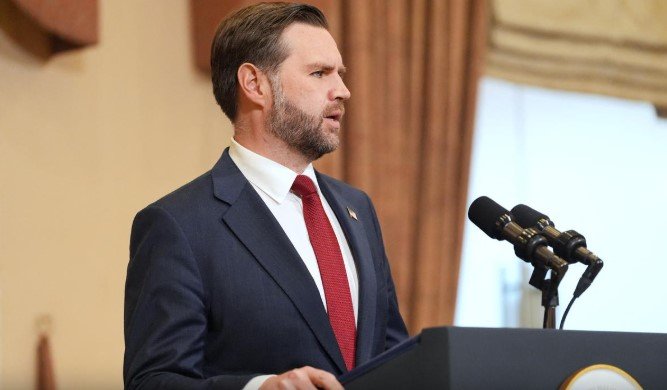
U.S. Vice President J.D. Vance has characterized the recent high-stakes diplomatic engagement with Iran as a strategic pivot rather than a failure, asserting that the “ball is now firmly in Iran’s court” following the conclusion of the Islamabad summit. Despite the absence of a signed accord, Vance maintained a composed outlook on the negotiations, refuting claims that the process had collapsed. He suggested that Washington has laid out a clear, comprehensive path toward regional stability and nuclear non-proliferation, and the global community is now waiting to see if Tehran possesses the political will to reciprocate. The Vice President’s “no-regrets” stance highlights a shift in American diplomacy that prioritizes firm red lines over hasty concessions, signaling that while the door to dialogue remains ajar, the White House will not chase a deal at any cost.
The current impasse centers on a fundamental disagreement over the sequencing of sanctions relief and the permanent dismantling of enrichment centrifuges. While the U.S. delegation pushed for immediate, verifiable caps on nuclear activity, Iranian negotiators remained tethered to demands for sweeping economic guarantees. Vance’s rhetoric suggests that the administration has reached the limit of its flexibility, positioning the United States as the proactive party while framing any future escalation as a choice made by the Islamic Republic. As the temporary ceasefire hangs in a delicate balance, the administration’s “wait-and-see” approach serves as both a diplomatic breathing spell and a tactical challenge. By placing the burden of the next move on Tehran, Vance is betting that economic pressures and internal regional dynamics will eventually force a more conciliatory response from the Iranian leadership.