
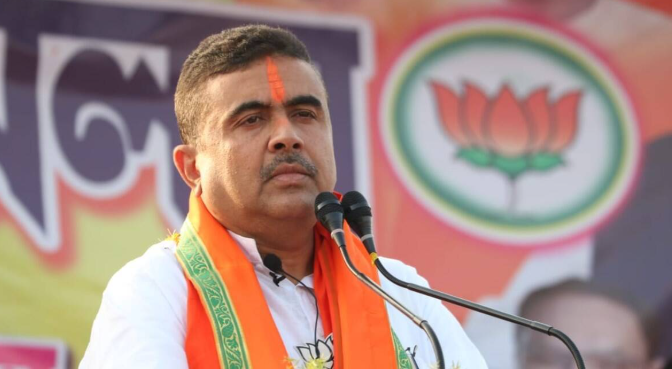
In a significant programmatic and political realignment, the West Bengal government has officially decided to end its controversial monthly stipend schemes for imams, muezzins, and Hindu temple priests. This major policy shift marks the conclusion of long-standing, state-supported honorariums for religious clerics, which had frequently been at the center of intense legal challenges and political debates regarding state secularism. Moving away from religion-based budgetary allocations, the state administration is redirecting its focus and resources toward broad-based, universal socio-economic development initiatives.
Coinciding with the discontinuation of the cleric stipends, the state government has announced a massive expansion of its secular social safety net. Under the newly unveiled Annapurna Yojana, the administration has approved a monthly financial assistance benefit of ₹3,000 targeted directly at empowering women across the state. Furthermore, to enhance public accessibility and ease economic burdens for female commuters, the government has declared that women will be eligible for completely free travel on state-run public transit buses starting June 1. By replacing targeted religious stipends with universally accessible welfare models and gender-focused economic assistance, the administration aims to streamline public spending, promote institutional inclusivity, and drive direct, measurable grassroots development across all communities in West Bengal.