
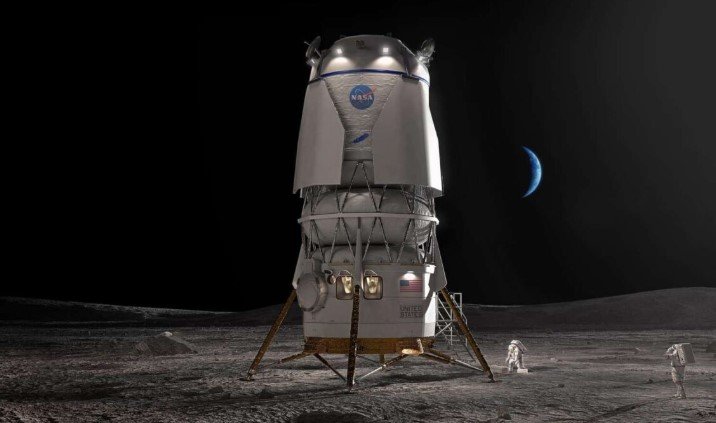
NASA has announced support for dozens of new research and technology projects aimed at advancing space exploration, with several initiatives linked to institutions and teams in the Northwestern United States. The funding spans a wide range of space frontier priorities, including propulsion systems, lunar and planetary research, advanced materials, and technologies designed to support long-duration human missions beyond Earth orbit.
Officials said the selected projects are part of a broader effort to strengthen innovation pipelines between government, academia, and private industry as space exploration becomes increasingly collaborative. Universities and research centers in the Northwest are among those receiving backing for work focused on next-generation spacecraft systems, improved satellite technologies, and scientific instruments designed for deep-space observation.
NASA representatives noted that these investments are intended to accelerate progress toward upcoming missions, including continued lunar exploration under the Artemis program and longer-term goals involving Mars and beyond. The agency emphasized that early-stage research remains critical for solving technical challenges such as radiation protection, autonomous navigation, and sustainable life-support systems in space environments.
Researchers involved in the funded projects say the support will allow them to expand testing and refine prototypes that could eventually be integrated into operational missions. While many of the initiatives are still in developmental stages, officials highlight their potential to contribute to both scientific discovery and practical applications on Earth, including advancements in materials science and environmental monitoring technologies.
The announcement reflects NASA’s ongoing strategy of investing in distributed innovation networks across the United States, leveraging regional expertise to push the boundaries of space exploration while preparing for a new era of sustained human presence beyond Earth.