
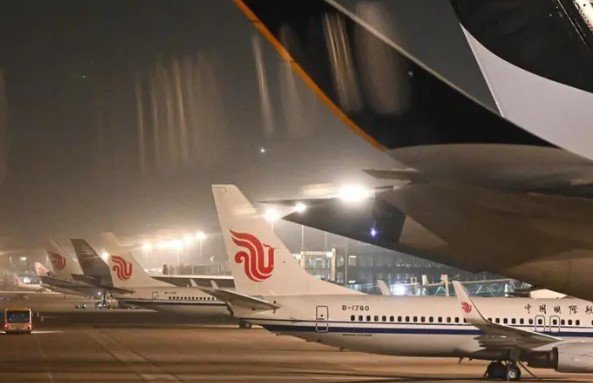
In a significant move signaling the potential reopening of one of the world’s most isolated borders, an Air China passenger aircraft successfully touched down at Pyongyang’s Sunan International Airport after a scheduled flight from Beijing. This arrival marks a pivotal moment in the gradual restoration of regional connectivity, as air travel between the two neighboring allies had been largely suspended for several years due to strict pandemic-related border controls and shifting geopolitical dynamics. The resumption of this flight path is being viewed by international observers as a clear indication of warming diplomatic relations and a mutual desire to revitalize economic and cultural exchanges. The Boeing aircraft, carrying a mix of diplomatic personnel, business delegates, and returning residents, was met with organized reception protocols, underscoring the importance the North Korean administration places on maintaining its primary aerial link with its most significant strategic partner.
The return of regular service by Air China is expected to facilitate more than just travel; it serves as a critical barometer for the broader regional political climate. Historically, the Beijing-Pyongyang air route has functioned as the “umbilical cord” for North Korea’s engagement with the outside world, providing a channel for high-level government consultations and the movement of essential personnel. While the North Korean borders remain highly regulated, the arrival of a commercial passenger plane suggests a shift toward a more pragmatic approach to international engagement. Analysts suggest that this reopening could be a precursor to the resumption of larger-scale tourism and trade activities, which have been severely hampered by both sanctions and self-imposed isolation. For Beijing, the move reaffirms its role as a key mediator and the primary gateway to the hermit kingdom, ensuring that it remains the central pillar of the North’s external interactions.
The logistical success of this flight also highlights the maintenance and readiness of Pyongyang’s aviation infrastructure, which has seen limited use in recent years. Ground crews and airport authorities in the North Korean capital have reportedly updated health and safety protocols to align with new international standards, ensuring that the influx of travelers does not compromise the nation’s stringent internal security measures. As the aircraft prepared for its return journey to Beijing, the atmosphere at Sunan International Airport was one of cautious optimism. While one flight does not equate to a full restoration of pre-pandemic travel norms, it represents a tangible step toward ending a long period of regional stasis. The global community will be watching closely to see if this leads to an increase in flight frequencies or the inclusion of other international carriers, which would further signal a transformative phase in North Korea’s relationship with the rest of the world.