
The decision to retain Meghalaya’s existing job reservation structure has triggered dissatisfaction among sections of both the Khasi-Jaintia and Garo communities, reopening debate over the state’s long-standing 1972 Reservation Policy.
An Expert Committee headed by Justice (retd) Mool Chand Garg recently recommended maintaining the current framework, which provides 40 percent reservation each for Khasi-Jaintia and Garo communities, 5 percent for other ST/SC groups, and 15 percent unreserved. The panel cautioned that major structural changes could invite legal scrutiny, noting that the overall 85 percent Scheduled Tribe quota already exceeds the 50 percent cap laid down by the Supreme Court in the landmark Indra Sawhney v. Union of India judgment.
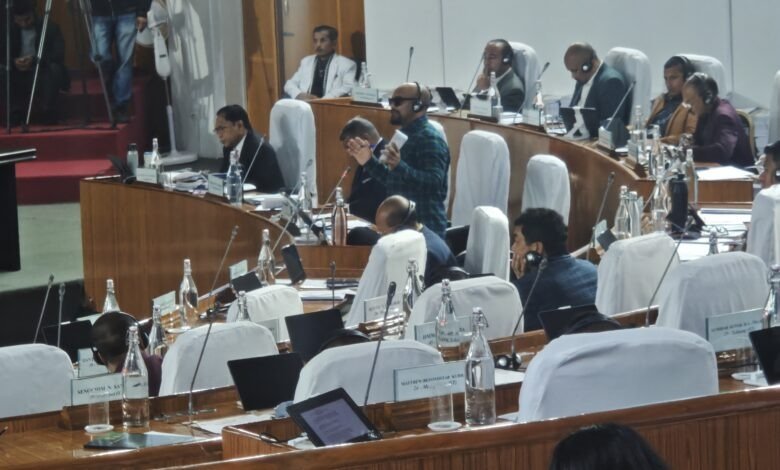
Despite the committee’s findings, political and community leaders have expressed unhappiness. Voice of the People Party (VPP) president and Nongkrem MLA Ardent Miller Basaiawmoit rejected the recommendation in the Assembly, stating that his party was not satisfied. He proposed raising the Khasi-Jaintia quota to 47 percent while retaining 40 percent for Garos, arguing that the revision would better reflect demographic realities and address employment concerns among educated youth without disturbing communal balance.
The Hynniewtrep Youth Council (HYC) also termed the report a “profound disappointment.” Its president, Roy Kupar Synrem, criticized the equal 40:40 split, claiming it overlooks population differences and could disadvantage Khasi-Jaintia candidates in future recruitment under the existing roster system.
On the other hand, the Garo Hills-based A’chik Holistic Awakening Movement (AHAM) has strongly defended the status quo. The organization argued that the Expert Committee had conducted a comprehensive statewide consultation and that the majority of submissions supported retaining the current structure. AHAM opposed proposals for closed-door chamber-level discussions, warning that bypassing the institutional process would undermine democratic principles and public trust.
Leader of the Opposition Mukul M. Sangma, along with Basaiawmoit, has urged Chief Minister Conrad K. Sangma to initiate chamber-level talks to review the policy. However, the Chief Minister has reiterated that any restructuring could jeopardize the existing 85 percent reservation for Scheduled Tribes and potentially disturb social equilibrium.
As tensions simmer, the state government faces a delicate balancing act—whether to stand firmly by the Expert Committee’s recommendation or yield to political demands for fresh consultations. With both major tribal communities expressing concerns, the debate over Meghalaya’s reservation framework appears far from settled.