
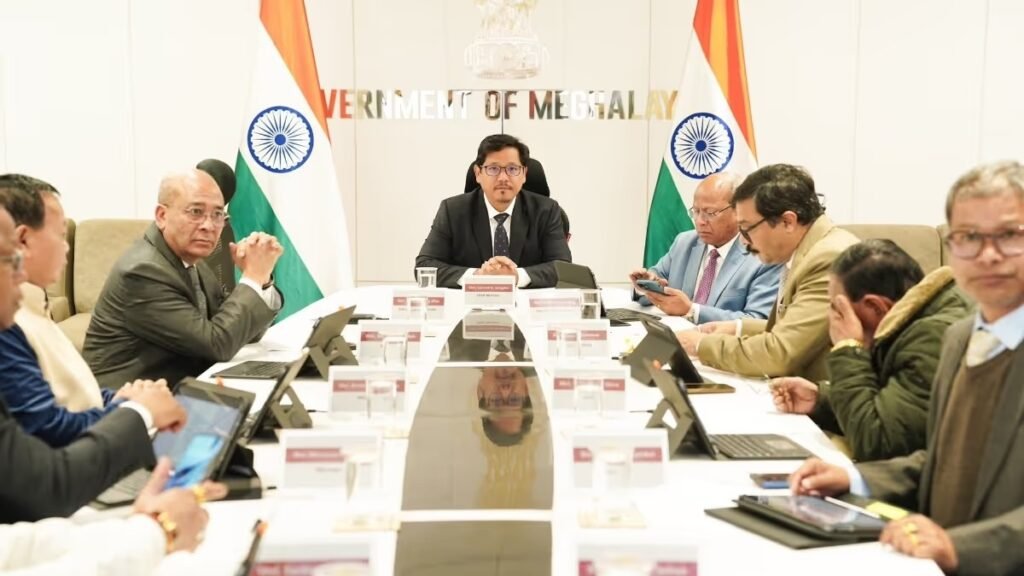
The Expert Committee on Reservation Policy recommended maintaining the 1972 Reservation Policy in its report to the Meghalaya Assembly. After extensive consultations, the committee emphasized constitutional fidelity and the views of stakeholders rather than yielding to populism. Most stakeholders, including tribal bodies and civil society groups, supported continuing the existing framework without significant changes. The committee stressed that reservations for government jobs should not solely depend on population numbers of tribes or communities but must consider social and educational backwardness, historical injustices, and under-representation.
The report firmly stated that reservations cannot be based on religion, as the Constitution restricts affirmative action to socio-economic disadvantages and under-representation. Regarding the Economically Weaker Sections (EWS) quota, the committee determined that it is a distinct category that should not extend to Scheduled Castes, Scheduled Tribes, or Other Backward Classes, which already have reserved spaces.
A practical recommendation was to extend the “carry forward” rule for unfilled reserved vacancies from one year to three, which could help manage backlogs without disrupting the reservation system. The committee also considered the potential for sub-classification within reserved categories, contingent upon gathering substantial data evidencing the need for such measures.
For persons with disabilities, the committee concluded that existing laws and state orders already provide adequate support. Finally, it highlighted educational challenges in Garo Hills and urged the state to implement focused programs to improve teaching quality and student performance while calling for strict and transparent enforcement of the reservation roster in appointment processes.