
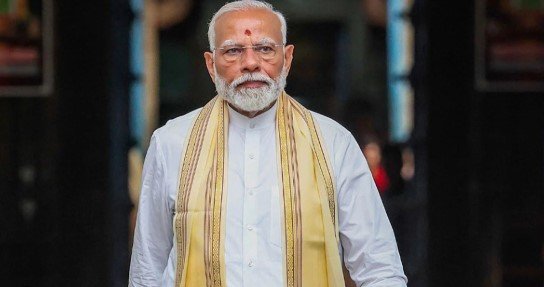
In his first address to Parliament regarding the ongoing West Asia crisis, Prime Minister Narendra Modi described the conflict as a source of “unprecedented challenges” for India, spanning economic, national security, and humanitarian dimensions. Speaking in the Lok Sabha on March 23, 2026, the Prime Minister noted that the war, which has persisted for over three weeks following U.S. and Israeli strikes on Iran, has severely impacted global supply chains and energy markets. He highlighted India’s deep vulnerability due to its extensive trade ties with the region and its heavy reliance on the Strait of Hormuz for crude oil, gas, and fertilizer imports. Labeling the situation “worrisome,” PM Modi emphasized that any disruption to international waterways is “unacceptable” and underscored the government’s tireless diplomatic efforts to ensure the safe passage of Indian commercial vessels.
Addressing the nation’s concerns over rising costs and supply stability, the Prime Minister reassured the House that India’s economic fundamentals remain strong and that the government is prepared to navigate the crisis with the same unity shown during the COVID-19 pandemic. He revealed that India has diversified its energy sources from 27 to 41 countries and is maintaining strategic petroleum reserves exceeding 53 lakh metric tonnes to cushion against global shocks. Beyond energy, PM Modi expressed grave concern for the nearly one crore Indians living and work in Gulf countries, as well as the high number of Indian seafarers in affected waters. He informed Parliament that over 3.75 lakh citizens have already been brought back safely, including 1,000 from Iran. Stressing the need for a “unified voice” from the Indian leadership, he reiterated that dialogue and diplomacy are the only solutions, while warning against “internal elements” who might seek to exploit the global instability to spread rumors or threaten national security.