
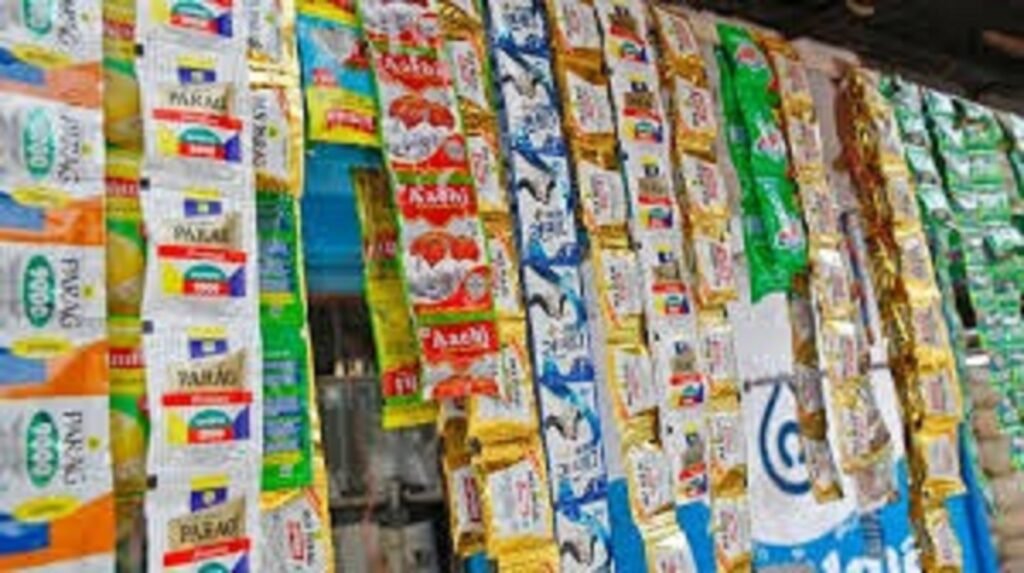
The central government will introduce two legislative bills in Parliament on Monday: The Central Excise (Amendment) Bill, 2025, which aims to increase the excise levy on tobacco products, and The Health Security se National Security Cess Bill, 2025, establishing a new cess on pan masala as the GST compensation cess is concluding.
The Central Government plans to increase excise duty on tobacco products through an amendment to the Central Excise Act, 1944. This adjustment is aimed at sustaining tax levels following the cessation of the GST compensation cess. Additionally, a new Health Security and National Security Cess will be applied to pan masala and potentially other goods, intended to enhance funding for national security and public health expenditures, especially in light of rising defense costs. The Lok Sabha will address the implementation of this cess concerning the manufacturing processes of specified goods.
With the new bills, there will be no compensation cess on tobacco products but a higher excise duty alongside a 40% GST. Unmanufactured tobacco and tobacco refuse will incur a proposed excise duty of 60-70%. Cigars and cheroots will have a duty of 25% or Rs 5,000 per thousand, while filter cigarettes will see duties of Rs 3,000 for those not exceeding 65 mm (including an 11 mm filter) and Rs 5,200 for those over 65 mm but not exceeding 70 mm. Non-filter cigarettes will attract Rs 2,700 per thousand for those not over 65 mm and Rs 4,500 for those over 65 mm but not exceeding 70 mm.
The ‘Health Security se National Security’ cess on pan masala will be applied based on production monitored by GST officials. The cess rates include Rs 1.01 crore for production of up to 500 pouches of 2.5 grams, Rs 3.64 crore for those above 2.5 grams but below 10 grams, and Rs 8.49 crore for over 10 grams.
The GST compensation cess, originally set to lapse after March 2026, may end sooner if the government repays pandemic-related loans to states. According to the Goods and Services Tax (Compensation to States) Act, 2017, states were assured a 14% compensation for losses due to the new taxation system for five years post-implementation. Although the initial five-year period concluded in June 2022, the government extended the cess collection until March 2026 to assist in loan repayment.
The compensation cess on tobacco products, including pan masala, remains unchanged at 28% GST despite other goods facing rate adjustments as of September 22 under GST 2.0. Finance Minister Nirmala Sitharaman confirmed that tobacco products will retain their current GST and cess rates until all financial obligations related to the compensation cess account are fulfilled.
Discussions on addressing tax evasion in the pan masala and gutkha sectors have been ongoing in GST Council meetings, leading to the formation of a ministerial panel. Previous recommendations included implementing compliance measures, allowing exports with letters of undertaking for input tax credit refunds, and changing compensation cess from ad valorem to a specific levy. As of September 22, GST 2.0 introduced two tax slabs of 5% and 18%, maintaining existing cess rates for tobacco products. The GST cess rate for pan masala is set at 0.32 times its retail sale price, while products containing tobacco gutkha face a cess of 0.61 times the retail price, with other tobacco variations attracting rates of 0.56 times. The maximum GST cess for pan masala can reach 51% of the retail price per unit.
The maximum cess rate for tobacco is Rs 4,170 per thousand sticks, plus 290% ad valorem or 100% of the retail sale price. This cess is applied on top of the 28% GST rate. The funds collected are used to repay loans taken during the pandemic, totaling Rs 1.1 lakh crore in 2020-21 and Rs 1.59 lakh crore in 2021-22. The government anticipates collecting Rs 1.67 lakh crore as compensation cess for fiscal year 2025-26, with Rs 67,500 crore scheduled for repayment of these loans. Previously, Rs 78,104 crore was repaid in 2023-24 and Rs 1.24 lakh crore in 2024-25, according to Budget documents.