
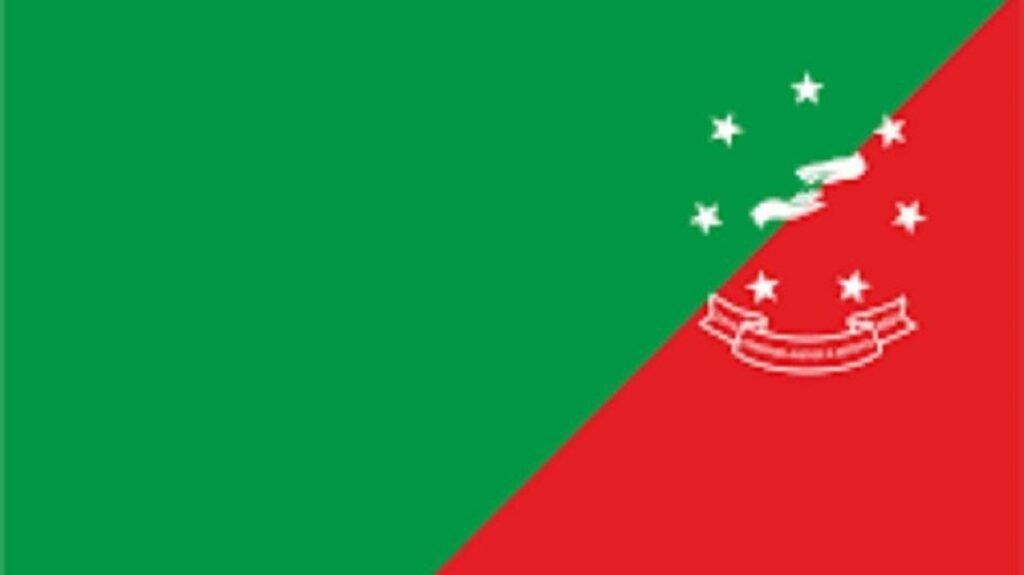
The Hynñiewtrep Integrated Territorial Organisation (HITO) has written to senior BJP leader and Member of Parliament Ravi Shankar Prasad, calling on the National Democratic Alliance to take seriously the demand for depoliticising the Autonomous District Council (ADC) framework in Meghalaya. In a letter dated March 15, the organisation’s central body said it welcomed Prasad’s recent public statements on tribal rights and cultural identity but questioned whether these commitments would translate into policy action — particularly ahead of the Garo Hills Autonomous District Council (GHADC) elections. “It is our fervent hope that the assertions you have made are not solely aimed at securing votes for the Bharatiya Janata Party in the impending MDC elections,” the letter stated.
HITO’s central argument is that the ADC, as currently constituted, functions as a party-political institution — shaped by parties recognised by the Election Commission of India — rather than as a body rooted in the traditional governance structures of Meghalaya’s indigenous communities. The Khasi people, HITO notes, have historically relied on consensus-based, partyless systems of self-governance. Forcing elected district councils to operate along conventional party lines runs counter to this tradition. The organisation is asking for an amendment to the Sixth Schedule of the Constitution that would bar recognised political parties from fielding candidates in MDC elections — a step it argues would restore the integrity of traditional institutions.
It draws a precedent from the Meghalaya Government’s own decision in 2000 to amend the Meghalaya Municipal Act, which assured Shillong’s 32 village Rangbah Shnong that the municipality would not politicise their institutions. The letter traces the roots of the current tensions to the inception of the United Khasi and Jaintia Hills Autonomous District Council (UK&JHADC) in June 1952. It points to repeated episodes of unrest — including the 1972 MDC elections that returned two non-tribal representatives from Laban and Laitumkhrah, which triggered violent agitations and demands for the eviction of illegal migrants from neighbouring Bangladesh in 1978-79, 1980, and 1982.