
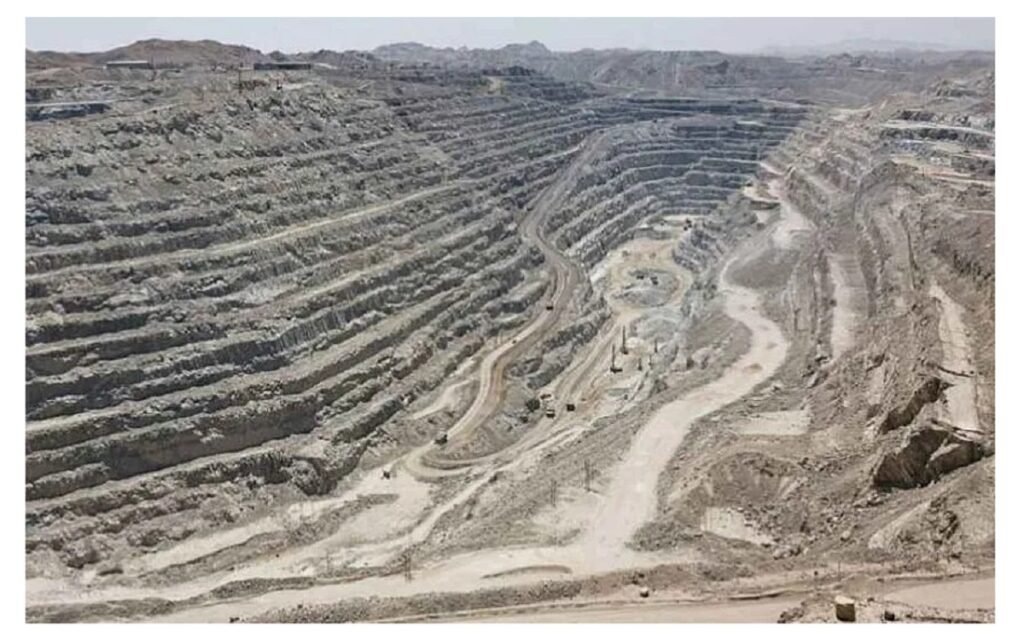
The Centre’s decision to exempt uranium and other strategic minerals from mandatory public consultations has triggered strong opposition in Meghalaya, a state that holds some of India’s largest uranium reserves. On September 8, the Ministry of Environment, Forest and Climate Change (MoEFCC) issued an Office Memorandum removing the requirement for public hearings under the Mines and Minerals (Development and Regulation) Act for atomic, critical, and strategic minerals.
The move has revived long-standing concerns in West Khasi Hills district, where uranium-rich areas like Domiasiat and Wahkaji have been at the centre of controversy for decades. Previous attempts by the Uranium Corporation of India Ltd (UCIL) to begin mining were abandoned due to sustained public protests over environmental, health, and tribal rights issues. The decision has been sharply criticised by civil society groups. The National People’s Youth Front (NPYF) has urged the Khasi Hills Autonomous District Council (KHADC) to invoke constitutional safeguards under the Sixth Schedule to protect tribal land rights. The Hynniewtrep Youth Council (HYC) accused the government of trying to revive uranium mining “through the backdoor,” while the Khasi Students’ Union (KSU), which has led anti-uranium campaigns for decades, condemned the exemption as a violation of indigenous rights.
KSU president Lambok Marngar warned that protests would intensify if mining projects were pushed ahead without community consent. Activists reiterated that uranium mining in Meghalaya has remained stalled for more than 20 years due to unresolved concerns about health risks, environmental safety, and the rights of local communities.