
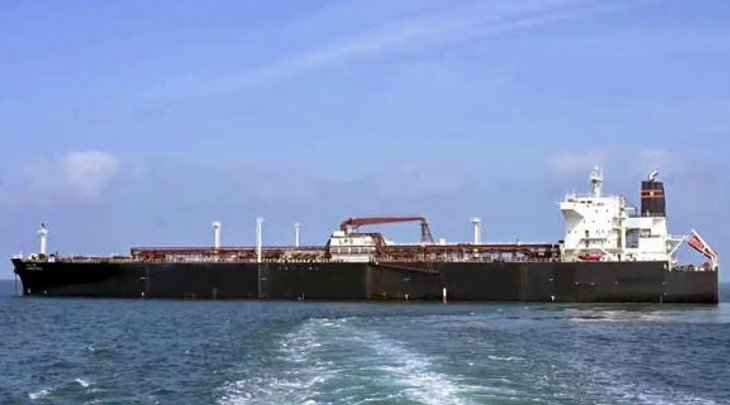
In a significant move reflecting the evolving dynamics of international energy maritime routes, real-time tracking data has confirmed that two additional Indian-flagged liquefied petroleum gas (LPG) tankers have officially exited the Persian Gulf. This latest development, observed over the last forty-eight hours, marks a continuing trend of Indian energy vessels repositioning away from traditional Middle Eastern hubs toward alternative international corridors. Industry analysts monitoring global AIS (Automatic Identification System) data noted that these vessels, which typically facilitate the bulk transport of cooking gas essential for India’s domestic energy security, changed their heading shortly after completing their latest discharge cycles. While such movements are often part of routine commercial scheduling, the simultaneous exit of multiple Indian-flagged carriers has drawn attention to India’s diversifying supply chain strategy and its growing reliance on a wider array of global energy sources beyond the immediate Gulf region.
The exit of these ships comes at a time when global shipping lanes are facing increased scrutiny due to fluctuating geopolitical tensions and logistical bottlenecks. By moving these high-capacity tankers out of the Gulf, Indian maritime operators may be looking to tap into emerging LPG markets in Southeast Asia or the African continent or perhaps repositioning them for maintenance and strategic stockpiling in domestic ports. Historically, the Persian Gulf has been the primary artery for India’s LPG imports; however, the recent uptick in Indian-flagged vessels seeking waters beyond the Strait of Hormuz suggests a tactical pivot. This shift ensures that the nation’s energy supply remains resilient against regional, localized disruptions, allowing the fleet to remain agile in a volatile market. Government officials have yet to issue a formal statement regarding these specific vessel movements, but the data clearly indicates a proactive stance by Indian shipping companies to optimize fleet utilization.
Furthermore, this maritime trend underscores the growing strength of the Indian mercantile marine sector. Having these vessels operate on more diverse routes demonstrates a robust capacity to handle long-haul energy logistics without being tethered to a single geographic zone. As India continues to expand its “Ujjwala” and other clean energy initiatives, the demand for LPG remains at an all-time high, making the efficient movement of these tankers a matter of national priority. Experts believe that this “exit” is less about a withdrawal from the Gulf and more about a sophisticated balancing act where India leverages its own fleet to secure better freight rates and faster delivery times from varied global suppliers. As the tracking data continues to show these tankers moving into the open waters of the Indian Ocean, the focus remains on how this fleet realignment will impact domestic gas prices and the overall stability of the energy sector in the coming quarter.