
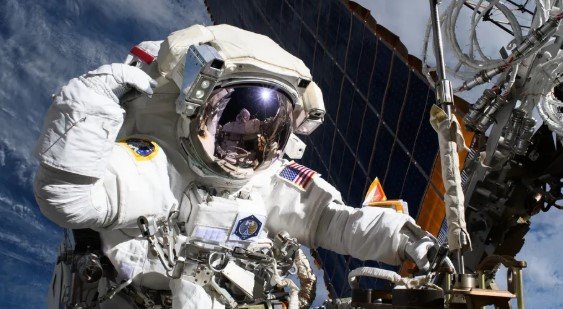
In a significant return to orbital operations, NASA astronauts Jessica Meir and Chris Williams are successfully conducting a high-stakes spacewalk outside the International Space Station (ISS) today, March 18, 2026. This extravehicular activity (EVA) marks a triumphant resumption of maintenance tasks that were abruptly halted in January due to the first medical evacuation in the station’s 25-year history. The mission was originally scheduled for early January but was postponed after NASA astronaut Mike Fincke experienced a medical event that required “advanced medical imaging” unavailable in orbit. This led to the expedited return of the four-member Crew-11 mission to Earth on January 15, leaving the station under a temporary “skeleton crew” until replacements could be launched. Following the successful arrival of new crew members in February and a period of stabilization, NASA has now cleared the team to move forward with the vital upgrades necessary to maintain the aging laboratory’s infrastructure.
Today’s six-and-a-half-hour spacewalk is focused on a critical power system upgrade, specifically the installation of a modification kit and the routing of cables for a new roll-out solar array (iROSA). This seventh array is part of a broader initiative to boost the station’s power generation capabilities as it enters its final decade of operation. Working from the Quest airlock, Meir and Williams are also utilizing advanced AI-driven diagnostic tools, such as the “EchoFinder-2” autonomous ultrasound system, which were tested recently to ensure astronaut health can be monitored more effectively without constant ground intervention. This milestone not only marks the restoration of full operational status for the ISS but also serves as a vital stress test for the medical and logistical protocols NASA has refined in the wake of the recent evacuation. Space enthusiasts and scientists worldwide are watching the live feed as these upgrades pave the way for a sustainable human presence in low-Earth orbit and provide lessons for future deep-space journeys to the Moon and Mars.