
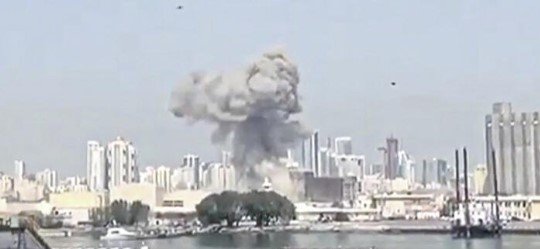
The geopolitical standoff in the Middle East has reached a precarious new height as Tehran issued a stark warning, threatening to target electrical power plants across West Asia that supply energy to United States military installations. This retaliatory stance comes in direct response to recent American ultimatums regarding the Strait of Hormuz, with Iranian officials declaring that any aggression against their sovereign infrastructure will be met with an equivalent “energy blackout” for U.S. forces stationed in the region. By shifting the focus toward the power grids of neighboring nations that host American bases, Iran is effectively expanding the theater of potential conflict beyond its own borders, raising the stakes for regional allies who find themselves caught in the middle of this escalating military brinkmanship. Military analysts suggest that this strategy is designed to create a “deterrence of darkness,” signaling that the U.S. cannot strike Iranian soil without jeopardizing the operational stability of its own regional hubs.
The technical implications of such a threat are profound, as modern military operations—including drone command centers, radar surveillance, and high-tech communication networks—are heavily dependent on a stable and continuous power supply. An attack on the civilian or dedicated power plants feeding these bases would not only cripple military readiness but would also cause catastrophic collateral damage to the local populations and economies of the host countries. This “eye-for-an-eye” doctrine regarding energy infrastructure reflects a shift in Iranian tactics, moving from maritime harassment to a broader campaign aimed at the logistical lifelines of the American presence in the Persian Gulf and beyond. As the 48-hour deadline set by the Trump administration draws closer, the rhetoric from Tehran suggests they are prepared to engage in a localized infrastructure war, targeting the very utilities that keep the lights on for thousands of American personnel.
For the international community, this development represents a nightmare scenario of regional instability and humanitarian crisis. If Iran follows through on its threat to sabotage regional electrical plants, it could trigger a domino effect of power failures across several nations, leading to a breakdown in essential services such as water desalination and hospital operations. Diplomatic channels are currently working at a feverish pace to de-escalate the situation, with neutral intermediaries attempting to find a middle ground before the “red line” is crossed. Meanwhile, the U.S. Department of Defense has reportedly moved to heighten the physical and cyber defenses of its regional energy dependencies, bracing for a potential wave of strikes that could redefine the nature of warfare in the 21st century. As the world watches the clock tick down, the threat to the West Asian power grid remains a chilling reminder of how quickly a localized dispute can evolve into a wide-scale energy catastrophe.