
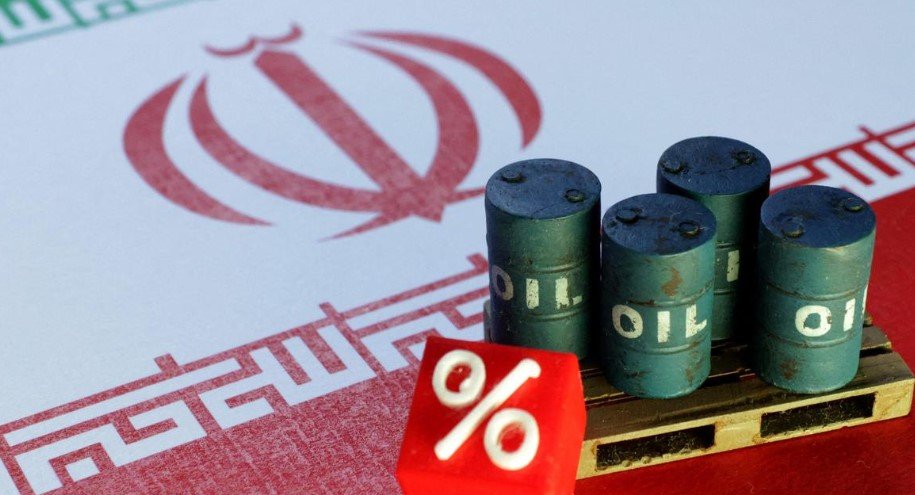
Global energy markets were thrown into a state of high alarm today as crude oil prices surged by more than 7.5%, driven by intensifying fears that the ongoing conflict in West Asia could lead to a total closure of the Strait of Hormuz. Brent crude, the international benchmark, spiked toward the $80-a-barrel mark after reports surfaced suggesting that military escalations between the U.S., Israel, and Iran have reached a critical tipping point. The Strait of Hormuz is widely considered the world’s most important oil transit chokepoint, with approximately 21 million barrels of oil—roughly 20% of global daily consumption—passing through its narrow waters. Any disruption to this route, which connects Middle Eastern producers to key markets in Asia, Europe, and North America, would trigger a supply shock of unprecedented proportions. Investors are currently pricing in a “worst-case scenario” where retaliatory strikes or naval blockades could halt tankers, leaving the global economy vulnerable to soaring fuel costs and a massive spike in inflation.
The sudden rally in prices reflects a deep-seated anxiety over the fragility of the global supply chain, which is already grappling with the fallout from various geopolitical tensions. Market analysts have noted that while there are currently no physical blockades in place, the rhetoric coming from regional powers has become increasingly aggressive, leading ship insurers to hike premiums for vessels traversing the Persian Gulf. This “risk premium” is what is driving the immediate 7.5% jump, as traders scramble to secure futures contracts in anticipation of a potential shortage. Energy-dependent nations, particularly in Asia, are watching the situation with growing dread, as a sustained period of oil prices above $80 or $90 would severely dampen industrial productivity and strain national budgets. If the Strait were to be closed even for a short duration, experts warn that the current price hike is merely the beginning, with some forecasting a jump well into triple digits.
Beyond the immediate price action, the surge is causing a ripple effect across global financial markets, with equity indices in India, Europe, and the U.S. seeing sharp declines in sectors sensitive to fuel costs. Airlines, logistics firms, and chemical manufacturers have seen their stocks tumble as the prospect of higher operational expenses looms large. Meanwhile, the International Energy Agency (IEA) and various national governments are reportedly monitoring their strategic petroleum reserves to determine if a coordinated release of oil might be necessary to stabilize the market. However, such measures are often viewed as temporary fixes that cannot fully compensate for the loss of the sheer volume of crude that flows through the Hormuz daily. As diplomatic efforts to de-escalate the situation continue behind the scenes, the energy market remains on a knife-edge, with every headline regarding naval movements or military threats adding more fuel to the fire of rising prices